QUICK THOUGHTS ON FITBIT ICONIC + FLYER
On Monday Fitbit announced the launch of their first-ever proper smart watch, the Fitbit Iconic, along with a set of wireless headphones they call the Fitbit Flyer.
Cherlynn Low has a great writeup over at Engadget that dives into all the details. In looking through it and then sitting back
Fitbit’s been losing market share to Apple and Xiaomi for some time, and their stock price has dropped ~80% over the past 2 years. Fitbit clearly felt they needed to do something to push back.
Then they shipped this. Let’s break it down.
4 days battery life
(or 10 hours w/ GPS) is nothing to scoff at. Though looking at the bulk of the device I might have opted for 3 days in exchange for a smaller battery.
SpO2 sensor
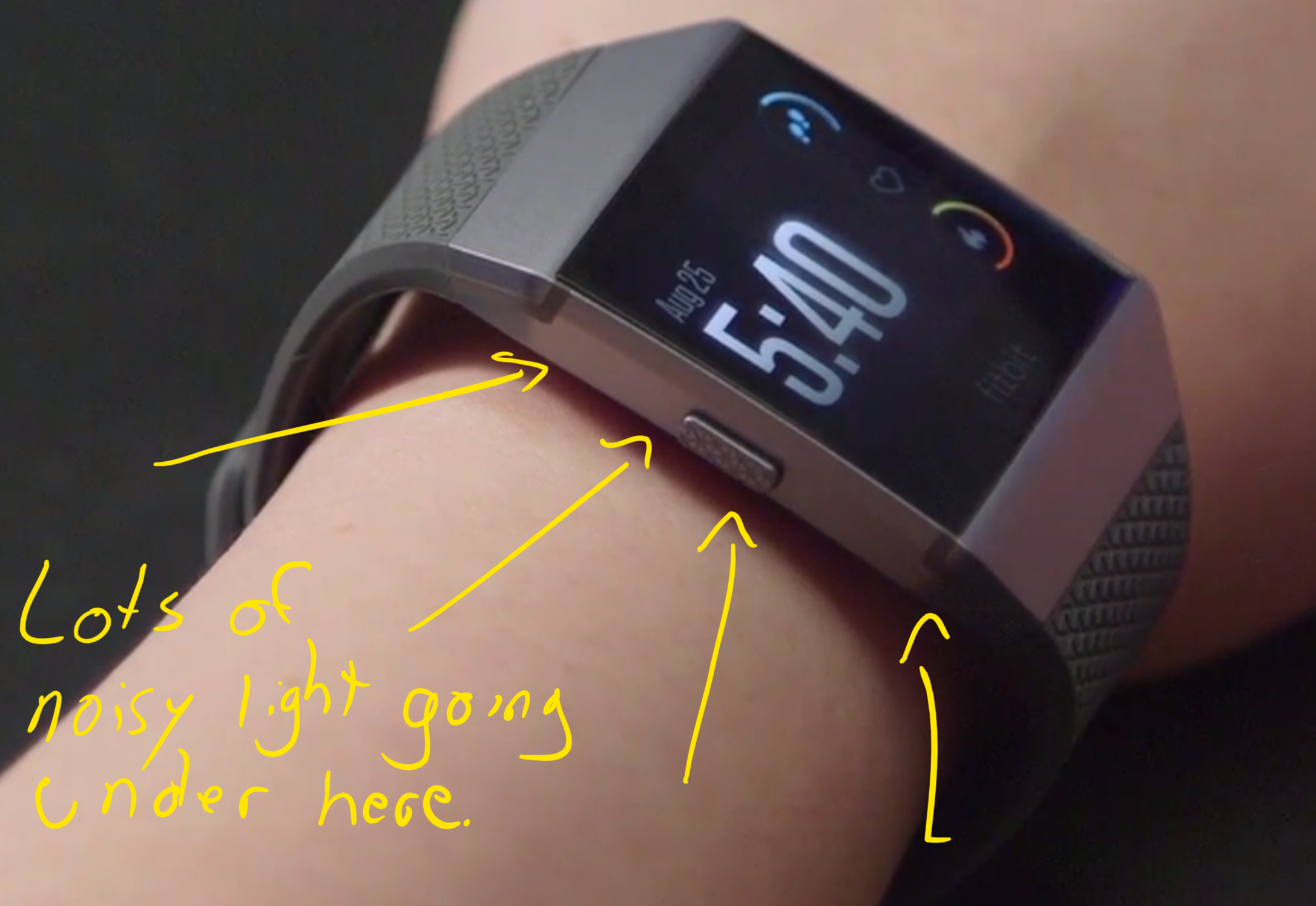
It’s pretty sweet that they put an SpO2 sensor in there to measure oxygen levels in the blood. They’re only claiming to make “relative” measurements (probably due to the inherent difficulty of SpO2 at the wrist, though the poor fit of the device and resulting light noise probably doesn’t help either)
Nanomolding!
Arguably Fitbit probably could have made device that gives identical value to it’s users without leveraging nanomolding… but it’s just so cool.
Nanomolding allows plastic to bond to metal during overmolding… but with incredible strength. Check out this old video to see what I’m talking about.
Fitbit Pay
Fitbit Pay will work wherever MasterCard, VISA, or Amex contactless payments are accepted.
This had been expected, but it’s still good to see it come out. It’s not going to rock the world, but for Fitbit to try to make a stand payments are an obvious choice.
That said I think they’ll have to push payments into some of their lower end devices (read: most of their units sold) soon in order to have a shot at it taking off.
The Headphones

I like that Fitbit even tried to make headphones. They’re a fitness wearable company and everyone wear’s headphones when they work out, so why not make your own and make the pairing experience seamless?
We’ll see how it all plays out (comfort and interaction are huge for something like headphones), but if it works out nicely, then good.
I don’t see any mention of optical or inertial sensors in the headphones (as are present in Apple’s Airpods), which seems like a missed opportunity there’s a lot going on up there to sense :).
It’s all the more glaring an omission considering they do have SpO2 in the Ionic. Hopefully a teardown will show it’s packing more than it seems.